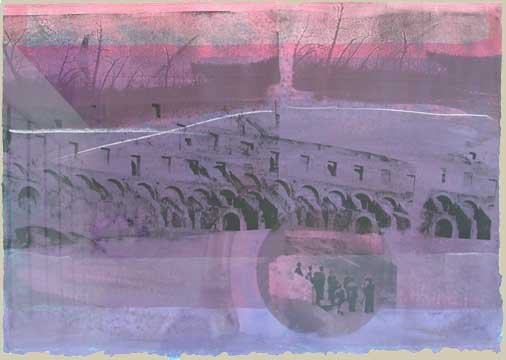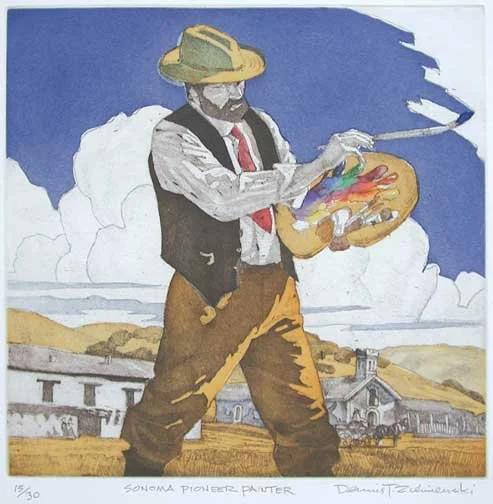
A fine art press dedicated to the creation of limited-edition intaglio prints and artist books
The Story
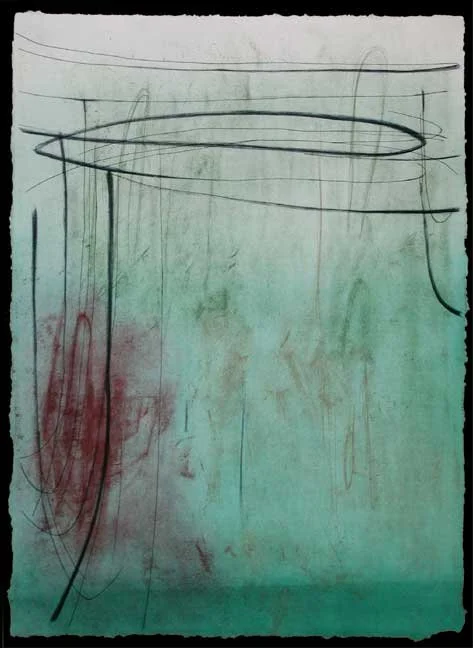
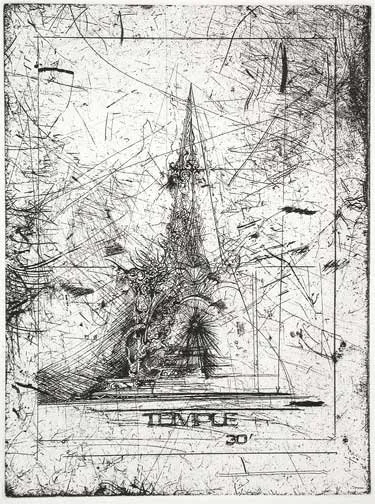
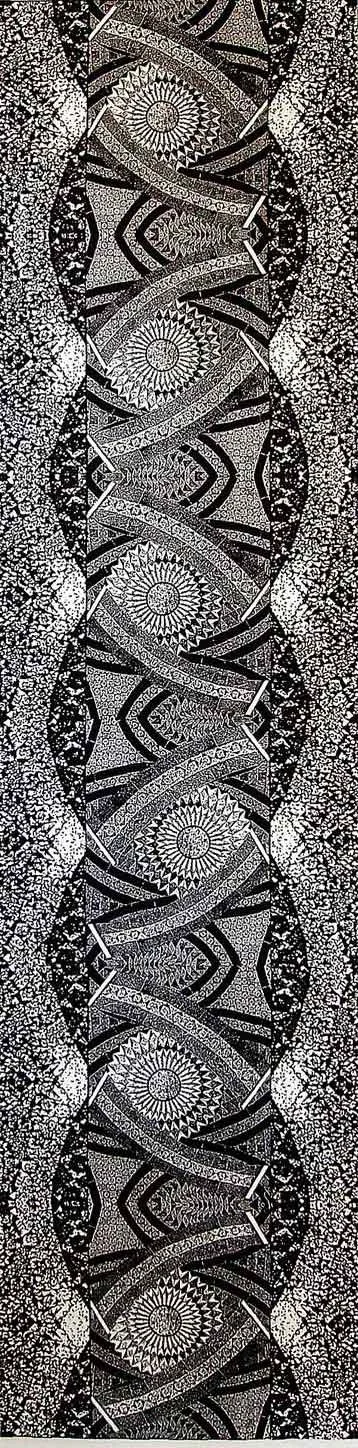
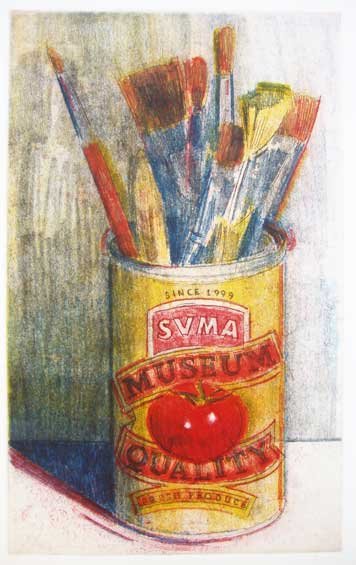
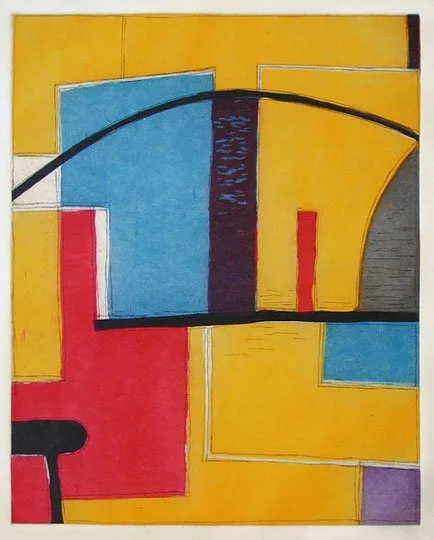
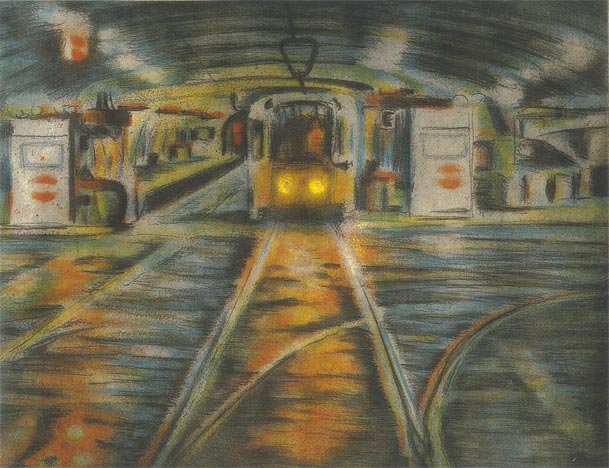
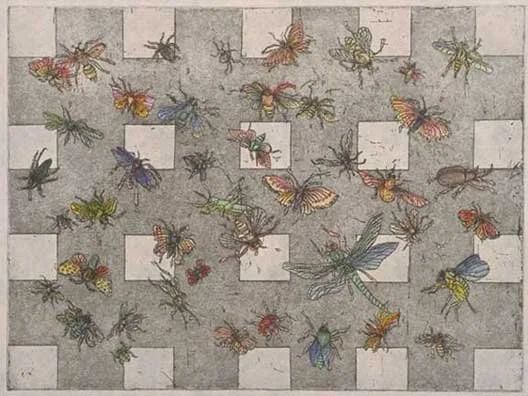
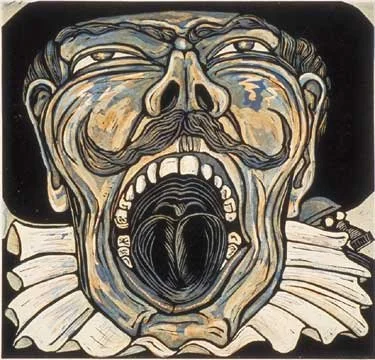
Eastside Editions was founded in Sonoma, California, in May 2000 by Simon Blattner as a fine art press dedicated to the creation of limited-edition intaglio prints and artist books. It began as a papermaking studio where local artists were invited to create monoprints on handmade paper, and soon evolved into a full fine art print studio and publisher specializing in etchings printed on both handmade and mouldmade paper.
All prints were produced on paper handmade in the studio. Because handmade paper is exceptionally receptive to nuance—even compared with the finest commercially produced papers—the resulting works are distinguished by their richness, vibrancy, and detail. Located in the heart of Sonoma Valley, Eastside Editions fostered a nurturing, collaborative environment where the open exchange of ideas and technical expertise supported artists in fully realizing their vision. The studio encouraged a straightforward yet sophisticated and subtle use of the printmaking idiom, always reflecting the artist’s hand.
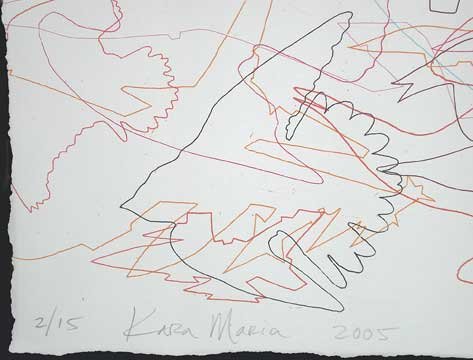
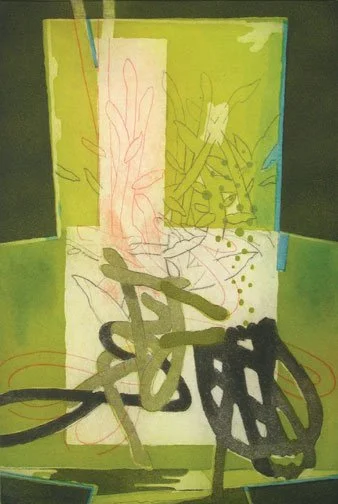
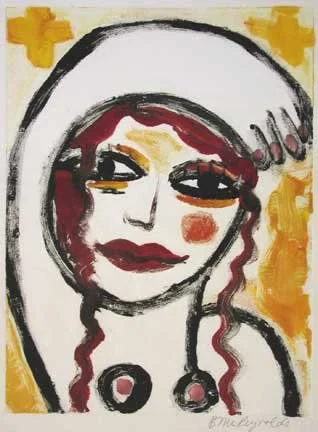
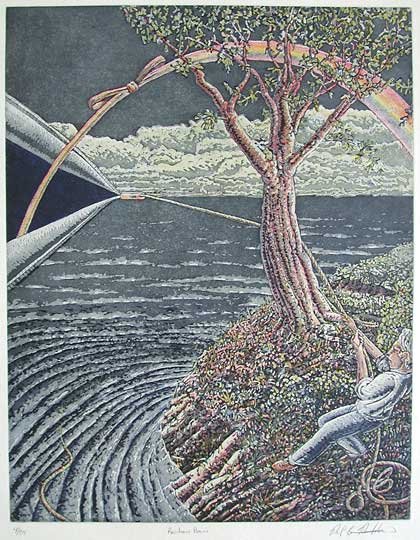
Eastside Editions featured the work of emerging and mid-career Bay Area artists, as well as established artists from Chicago and Rome. Blattner devoted himself to the studio’s craft-driven approach, often making the paper for small-edition print runs himself. In addition to prints, he published several handmade books that are now held in the rare book collections of Stanford University and St. Mary’s College, along with major private collections.
After relocating to San Francisco, Eastside Editions ceased printing in 2008. Blattner remains the owner and steward of the Eastside Editions print archive.


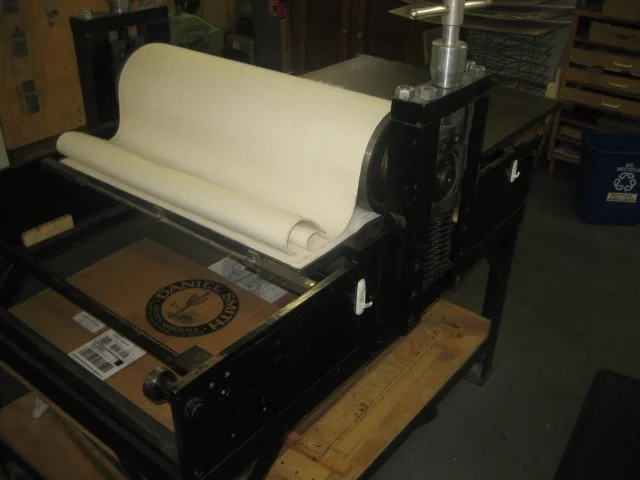
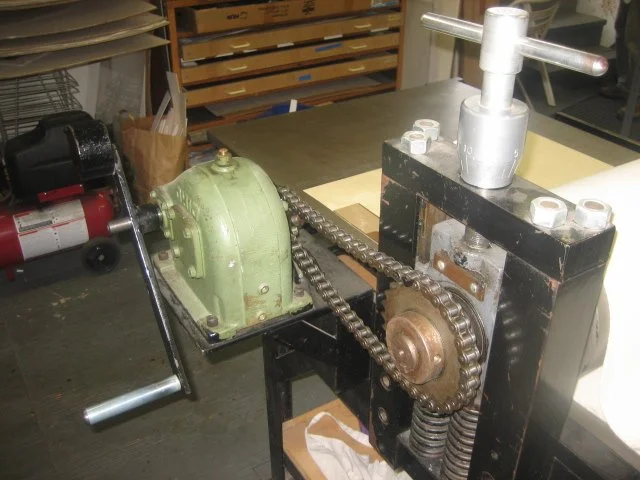
Making Paper
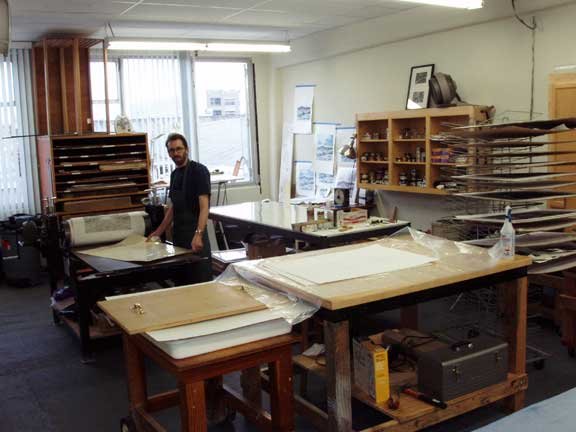
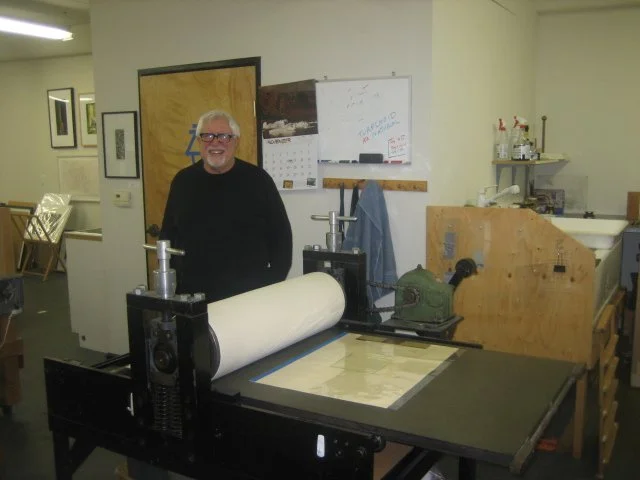
Eastside Editions began in Sonoma, where they made all paper for the projects we printed by hand. The biggest projects they did this way were Art Hazelwood's artists’ books Gargantua in the Vineyard and Journey to the Moon and Sun.
Here is the papermaking process at Eastside Editions. This is Tony Guaraldi making cotton paper at the studio.
Step 1. Dipping the screen in the vat of pulp.
Step 2. Lifting the screen from the vat
Step 3. Drip Dry
Step 4. Laying the paper pulp down.
Step 5. Lifting the Screen.
Step 6. Preparing the hydraulic press.
Step 7. Pumping the pressure up
Step 8. Pumping out the excess water.
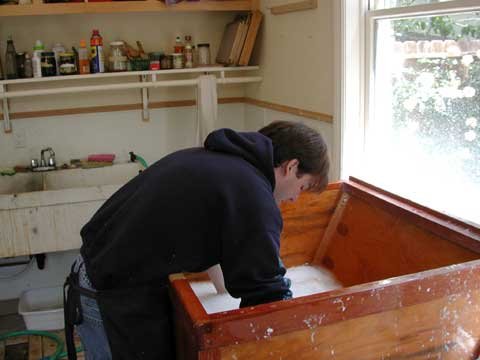
Step 1. Dipping the screen in the vat of pulp.
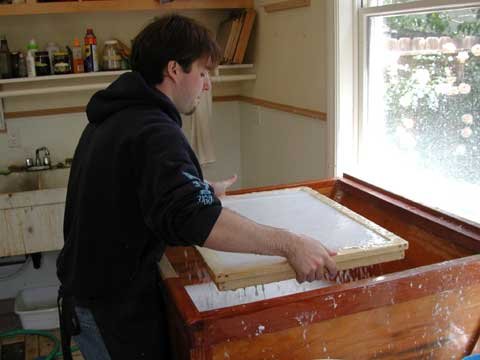
Step 2. Lifting the screen from the vat
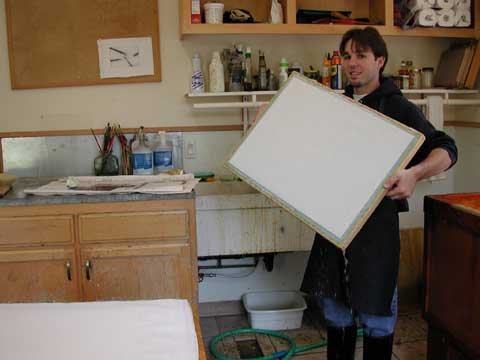
Step 3. Drip Dry
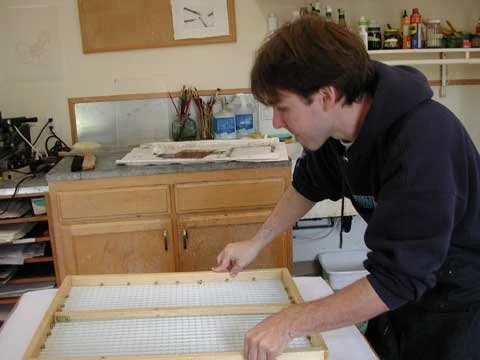
Step 4. Laying the paper pulp down.
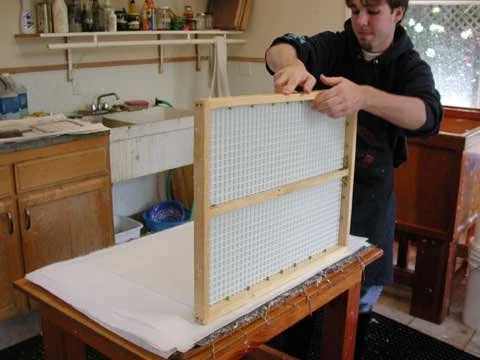
Step 5. Lifting the Screen.
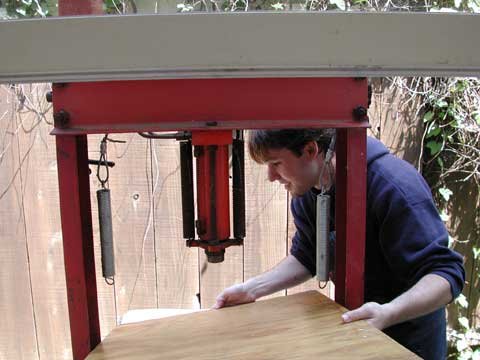
Step 6. Preparing the hydraulic press.
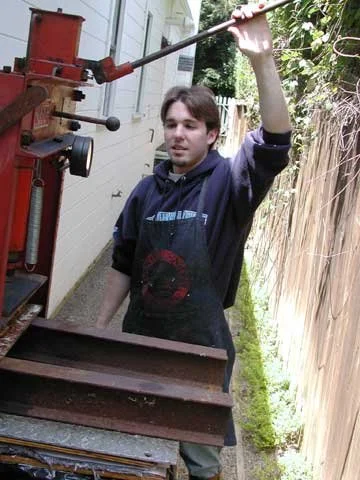
Step 7. Pumping the pressure up
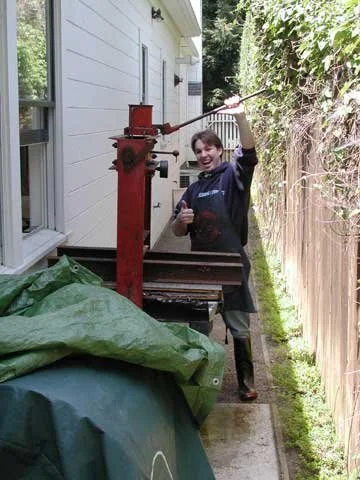
Step 8. Pumping out the excess water.